Discover the most common concrete pouring mistakes and how to avoid them

When building structures, a single mistake can be very costly, which is why concrete pouring must be carried out correctly. The best way to ensure this is to identify the risks and fix the flaws before they cause even bigger problems.
In this article, we cover the most common mistakes in concrete pouring and offer practical solutions so you can avoid complications and achieve high-quality results in your projects.
The 8 most common concrete pouring mistakes
In civil construction, concrete pouring is a key step that is decisive for the strength and durability of any structure. Even the best-designed projects, however, can be undermined by common mistakes. The main ones are:
- 1.Incorrect mix design
- 2.Inadequate curing
- 3.Water in the concrete
- 4.Soil close to water
- 5.Improper soil preparation
- 6.Problems with suppliers and labor
- 7.Poorly positioned steel reinforcement
- 8.Improper equipment
1. Incorrect mix design
The concrete mix design is one of the first steps, and mistakes here can compromise the entire structure. To avoid this, it is essential to follow the correct proportions of cement, sand, gravel, water and admixtures.
However, even if you buy your concrete from a company with a modern automated system that provides great reliability, it is not the batching plant that should specify the concrete strength to use on the job site, but rather the engineer responsible for it: the one who signed off the project with the city, or, on larger projects, the structural designer.
The batching plant can advise, depending on the element being poured, on the choice of gravel type, slump, pump type and other details, but the strength is a design decision.
2. Inadequate curing
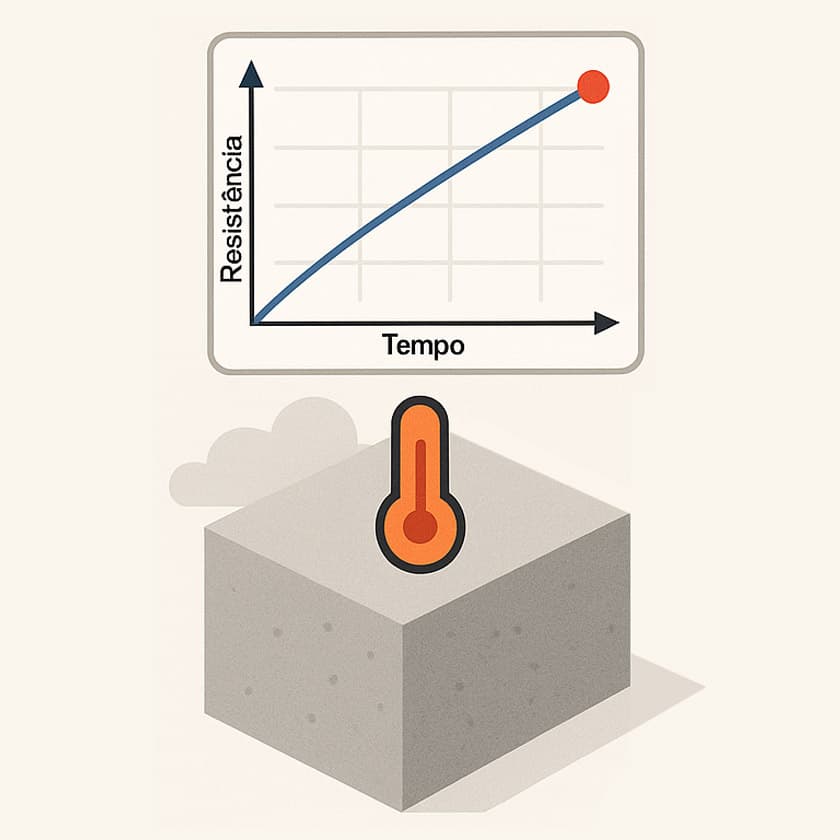
One of the most common mistakes is not giving proper attention to concrete curing, which can lead to cracks and reduced strength. Be sure to follow the manufacturer's guidance regarding the required time and the available methods for this step.
3. Water in the concrete
Excessive water in the concrete compromises its physical properties and can cause cracks and loss of strength. That is why it is important to define the slump and the gravel size before pouring, so that the bricklayer does not ask the mixer driver to add water on site during the process.
Filling a column or beam packed with reinforcement is different from pouring a sidewalk. You could request concrete with the same strength for both cases, but the former may need smaller-diameter gravel and a higher slump. This must arrive ready from the batching plant.
Adding water beyond what the mix design specifies is one of the biggest mistakes in concrete pouring. You should never alter the concrete recipe.
4. Soil close to water
Soil near bodies of water may have specific characteristics that require special care. Carry out an analysis of the terrain and adapt the pouring process as needed. Measures such as proper waterproofing, higher-strength (and therefore more impermeable) concrete and the use of suitable admixtures can be crucial in these cases.
5. Improper soil preparation
Improper soil preparation is another frequent mistake. If the ground is not prepared correctly, the durability and structural integrity can be affected, leading to problems that are expensive to fix. To avoid this, you need to know exactly what will be done and what will be required. It is important to understand the type of soil and the underlying conditions of moisture, permeability and strength, ensuring it is properly prepared.
6. Problems with suppliers or labor
Choosing reliable suppliers and qualified labor is fundamental to successful concrete pouring. Materials that are delayed or that do not meet the required quality standards can compromise the integrity of the concrete and, consequently, the structure as a whole.
Likewise, a team without the proper experience or qualifications can cause errors during execution, from preparing the concrete to placing it. For this reason, do careful research, checking references and previous experience. Clearly communicating the project specifications is also essential to avoid misunderstandings that could lead to mistakes during execution.
7. Poorly positioned steel reinforcement
Proper positioning of the steel reinforcement, with spacers correctly placed, is essential to avoid structural problems. When it does not match the project specifications, the steel fails to support the concrete and provide tensile strength. This can cause structural failures in the poured element within a short time, compromising the safety and durability of the structure.
8. Improper equipment
Using inadequate equipment is also a common mistake during concrete pouring. Defining the correct pump, vibrators, wheelbarrows, hoes and other tools is extremely important and deserves prior planning.
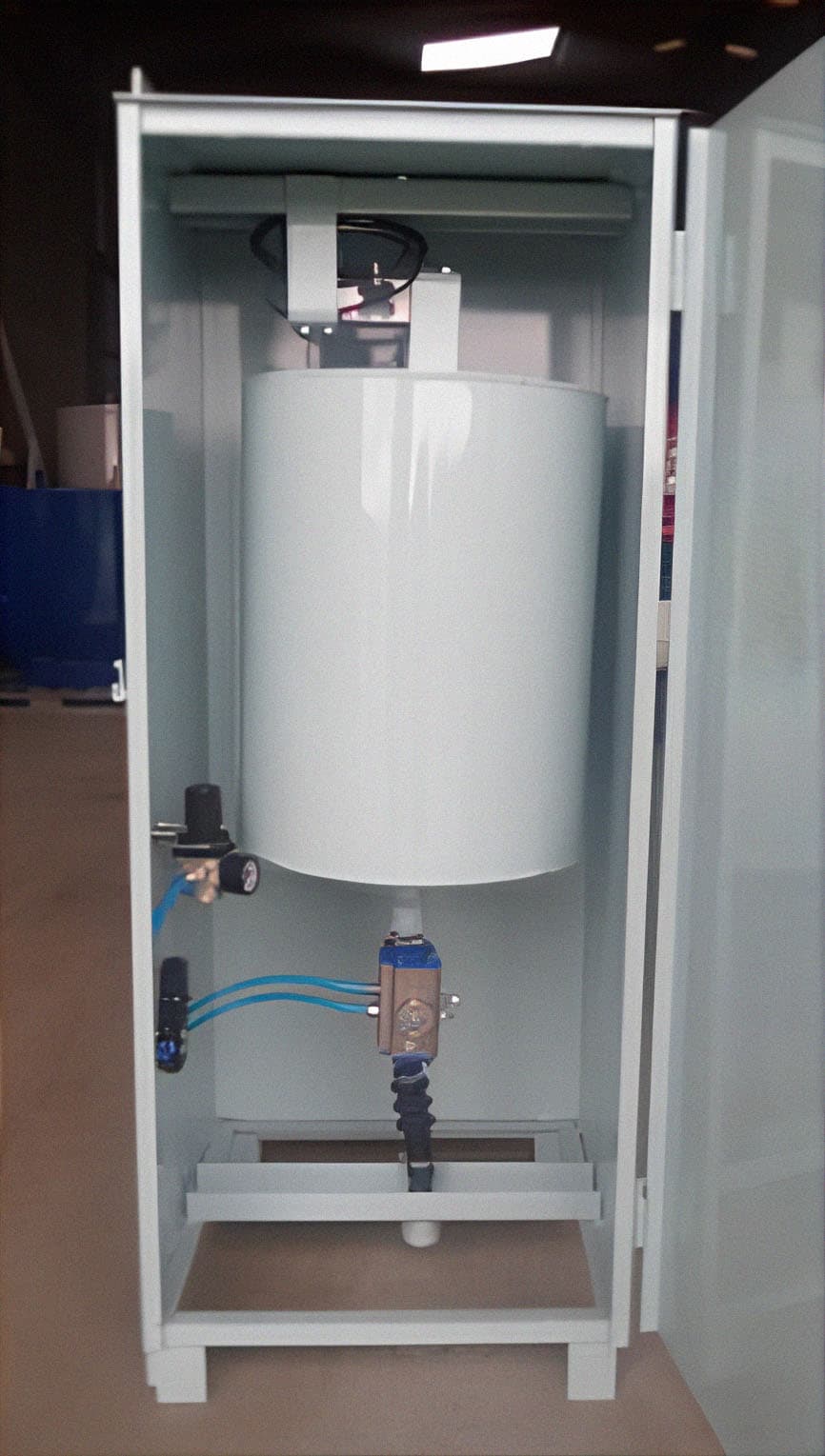
For the batching plant, it is important to use the right solutions, such as the Kartrak Kmix, to dose the concrete correctly and ensure long-lasting results. With it, you no longer waste time and money to guarantee the quality of the material and of your load.
By avoiding these common mistakes, you significantly contribute to the quality and durability of your projects. Always remember to seek guidance from specialized professionals and adopt best practices at every stage of the construction process.
When hiring concrete pouring services, it is essential that the work is carried out correctly and according to the manufacturer's instructions. If you are looking for a company to optimize your batching plant, talk to Kartrak and discover the Kmix.