Artificial intelligence helps scientists create self-healing asphalt
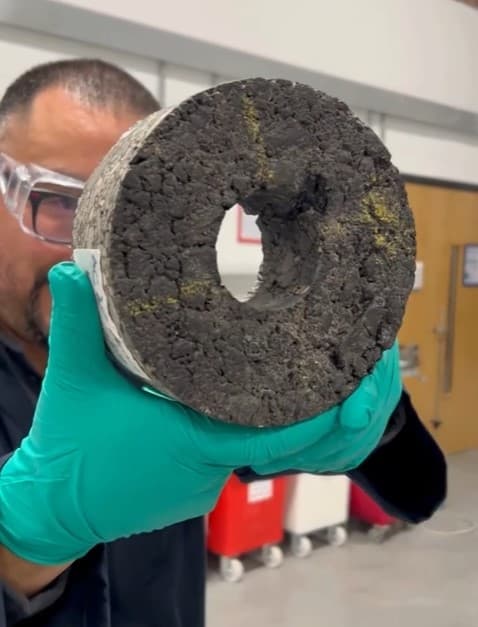
No more cracks or potholes with this new material. Researchers in the UK and Chile have developed an innovative type of asphalt that can repair itself, reducing cracks and potholes on roads.
Inspired by natural regeneration processes, like those found in plants and animals, this material uses microcapsules that release recycled oils to soften the bitumen and repair fissures. The approach represents a sustainable solution to the challenges facing road infrastructure.
How the automatic repair works
The self-healing asphalt mechanism relies on microcapsules containing natural spores and waste-based rejuvenators. When cracks appear in the pavement, the capsules break and release oils that allow the material to flow again, restoring its integrity.
This innovation was made possible through collaboration between scientists at King's College London, Swansea University and researchers in Chile.
The role of artificial intelligence
Artificial intelligence played a key role in developing this technology. Using machine learning algorithms, the researchers analyzed the molecular composition of bitumen and built predictive models to identify the chemical properties that favor self-healing.
This approach not only increases the durability of asphalt but also makes its production more efficient and eco-friendly, contributing to a more sustainable future in road construction.