AI-Powered Drones: The New Frontier in Tunnel Inspections
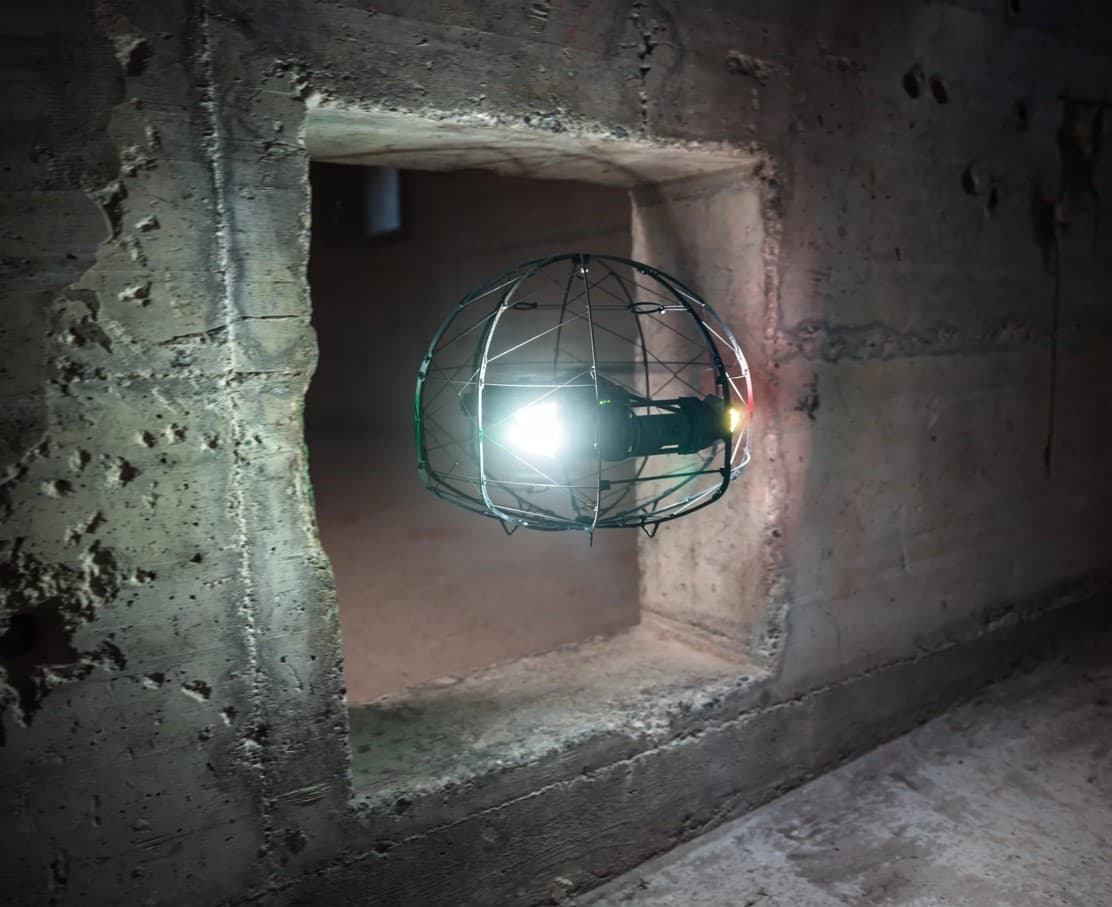
The introduction of drones equipped with artificial intelligence (AI) for tunnel inspections is revolutionizing civil construction. This innovation, already being applied in South Korea, promises to transform the way we assess the safety and efficiency of underground infrastructure.
How does the technology work?
Traditionally, tunnel inspections required engineers to travel to the site, facing risks such as collapses, lack of ventilation, and exposure to toxic substances. With the use of autonomous drones, this reality is changing.
Equipped with AI, these drones are able to map the interior of tunnels in 3D, identify structural flaws, and even detect dangerous gases, all in real time.
Concrete results
In South Korea, the first tests showed a 25% increase in inspection efficiency and a reduction of nearly 30% in operating time. In addition, worker safety was significantly improved, since they no longer need to enter high-risk areas to carry out assessments.
Multidisciplinary collaboration
This advance is the result of a collaboration between universities, technology companies, and government authorities. Universities provide the research and development foundation, while technology specialists develop the drones' hardware and software. The government, in turn, offers financial and regulatory support for implementing the technology.
Global impact
Although the project began in South Korea, the trend is for this technology to spread globally. Engineering companies from various countries are adopting AI-powered drones to optimize their operations, reduce costs, and increase safety in underground infrastructure inspections.
Conclusion
The introduction of AI-powered drones in tunnel inspections represents a milestone in the evolution of civil engineering. Beyond offering safer and more efficient solutions, this technology paves the way for a future where innovation and safety go hand in hand.