How to perform preventive maintenance on pneumatic systems
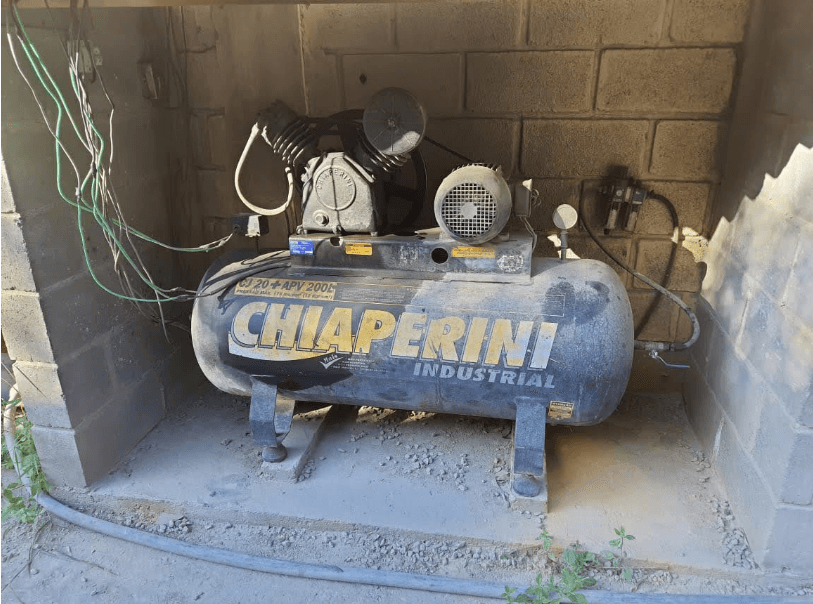
Do you perform preventive maintenance on the pneumatic systems of your concrete plant? Taking this care is essential to ensure that they operate efficiently and that their performance quality is maintained over time.
In this article we cover the importance of preventive maintenance for pneumatic systems, which are used in a wide range of professional and industrial applications, and we share practical tips to ensure the best performance, operator safety, and reduced operating costs.
The importance of preventive maintenance on pneumatic systems
Preventive maintenance plays an essential role in the performance and preservation of the original specifications of pneumatic systems, because it directly affects several situations, such as the ones described below.
- Maximizing uptime: performing maintenance before problems occur is one of the most effective ways to avoid unplanned downtime. With regular practices, your tools are always ready for work, increasing the uptime and productivity of your concrete plant.
- Operator safety: in addition to extending the service life of the systems, preventive maintenance ensures operator safety. Tools in good working condition reduce the risk of workplace accidents and keep the environment safe.
- Reduced operating costs: by avoiding unplanned failures and replacing worn parts at the right time, you reduce operating costs. In this way, preventive maintenance becomes an investment that saves money in the long run.
- Accurate material dosing: in concrete plants, pneumatic systems are used to dose all materials. The cement silo, for example, uses a pneumatic valve to hold the 100 tons of the mixture inside it, and the aggregate boxes hold tons of crushed stone and sand through these systems as well. Dosing and weighing rely on the correct operation of the pneumatics: without enough air pressure, a valve may stick, open or closed, causing delays, loss of load and, in the worst case, mess in the plant.
The automation system, in turn, even though it has some intelligence to detect mechanical or pneumatic failures, also requires preventive maintenance to keep proper operation and deliver the smallest dosing deviations.
How to perform preventive maintenance effectively?
To ensure the safety and reliability of pneumatic systems, preventive maintenance must be carried out properly and consistently. The process includes inspecting, testing, and replacing components.
In particular, compressed air, pressure, and humidity should be checked regularly, and the systems must be cleaned periodically to prevent contamination by dust or debris. Here are five key tips to put into practice in your company.
1. Inspect the system regularly
Check that all pneumatic components are in good condition and ensure the quality of the compressed air. Make sure it is at the correct pressure and clean, free of impurities and moisture. To achieve this, use an FRL system (filter, regulator, and vane lubricator) to optimize the performance and service life of your tools.
2. Check and lubricate all connections
Each pneumatic system has detailed manufacturer specifications for the configuration and lubrication of wear parts. Use the available maintenance kits to simplify the process and ensure your tools operate according to the manufacturer's guidelines.
3. Replace loose and worn connections
Keep strict control and replace worn parts at the right time to avoid unpleasant surprises. The replacement frequency depends on the tool's specifications and the application. Also remember to change the filters regularly, as they can become clogged over time and reduce the system's efficiency.
4. Optimize downtime and uptime
When you need to remove a pneumatic system from the production line for scheduled maintenance, take the opportunity to carry out a comprehensive inspection and assess the wear of other parts. If disassembly and reassembly are required, follow the manufacturer's recommendations and use original spare parts. Also check that the system is operating correctly, with no pressure loss or excess moisture.
5. Keep your tools in good condition
To keep the system running optimally, store your pneumatic systems in dry places. Keeping them in good condition and cleaning them regularly extends their service life and efficiency.
Corrective maintenance on pneumatic systems
In the event of an unexpected failure, corrective maintenance becomes necessary. To handle it, rely on authorized distributors or repair centers, which ensure that your system is repaired properly and effectively.
As we have seen, keeping your pneumatic systems running correctly depends on proper and regular preventive maintenance. Follow the tips above to make sure they are ready for daily operation. If you need more information about this topic or about how Kartrak's solutions can contribute to your concrete plant, talk to Kartrak.