Concrete and cement remain protagonists in the modernization of civil construction in Brazil
The strategic use of cement and concrete in Brazilian civil construction was the central theme of one of the closing debates at the International Construction Industry Meeting (ENIC), held in São Paulo on Friday (04/11). The panel highlighted how the application of new technologies based on these traditional materials has helped increase the efficiency of projects, reduce timelines and raise the quality standard of buildings across the country.
Promoted by the Brazilian Chamber of the Construction Industry (CBIC) and held together with the 29th edition of Feicon, at São Paulo Expo, the event brought together major names from the sector. The session was moderated by Eduardo Aroeira Almeida, Financial Vice President of CBIC. Speakers included experts such as Daniel Katz (CEO of Katz Construções), Diego Ciola Esteves (head of Off-Site Engineering and Operations at MRV&CO), Paulo Koelle (director of Stone Pré-fabricados) and Valter Frigieri (director of Planning and Market at the Brazilian Portland Cement Association, ABCP).
During the opening, Aroeira stressed that civil construction needs to undergo a transformation to keep pace with economic growth. He emphasized that innovative solutions based on cement and concrete have proven essential to expand productivity and ensure greater competitiveness in the sector, advocating a future focused on industrialization, innovation and sustainability.
3D printing as a solution for fast and economical construction
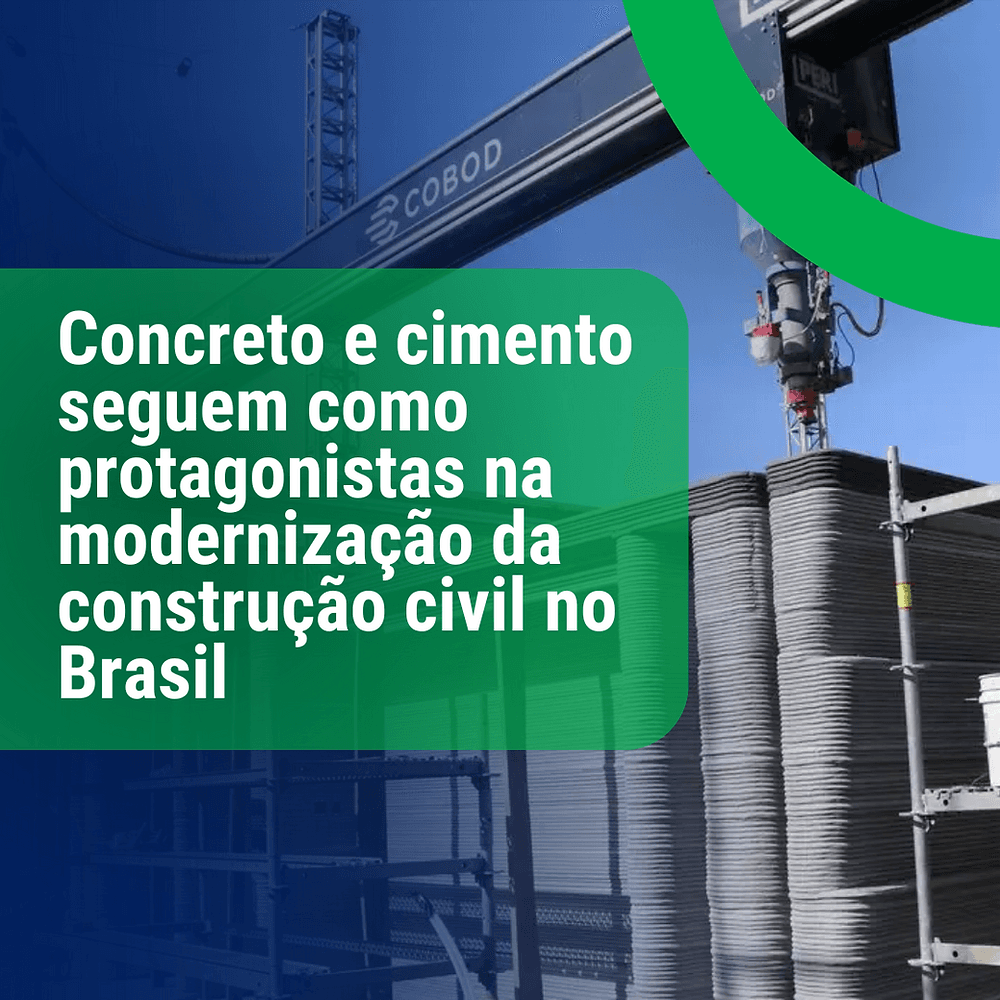
Daniel Katz presented 3D concrete printing technology as one of the most promising innovations for smaller projects and social housing developments. According to him, the technique significantly speeds up execution time and reduces material waste. As an example, he cited a project developed for CDHU, in which the structure was printed in just four days, assembled in two and completed in 20 days.
Industrialization of the construction site
Diego Ciola shared MRV&CO's experiences with the adoption of construction kits and off-site methods, which move construction stages into industrial environments. The strategy aims to standardize processes, improve quality and ensure greater safety on projects. He also mentioned an innovative company initiative: setting up kit factories inside prisons, enabled through public-private partnerships, as a way to address the shortage of skilled labor.
Efficiency through prefabrication
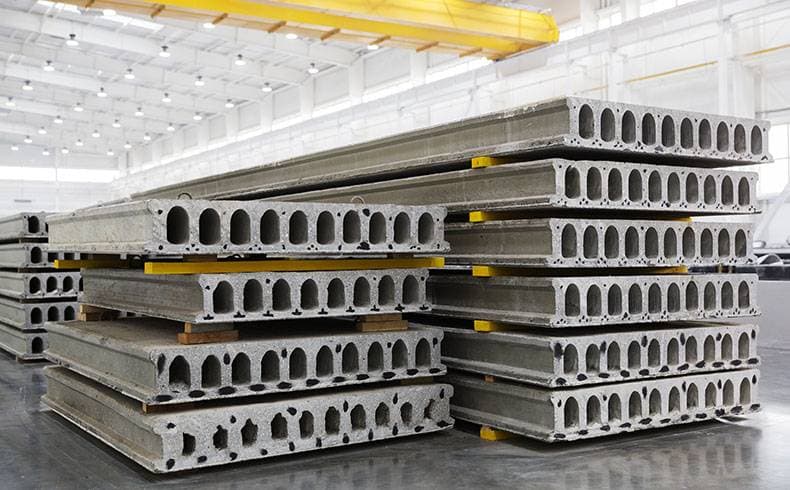
Paulo Koelle highlighted the benefits of precast concrete facades, such as the ability to create distinctive shapes, whether curved, hollow or twisted, that combine aesthetic lightness with ease of assembly. He stated that prefabrication is an effective alternative to reduce timelines, standardize quality and lessen environmental impacts on the construction site.
Cement and concrete as allies of sustainable innovation
Valter Frigieri reinforced the strategic importance of cement and concrete for projects geared toward innovation and sustainability. For him, these materials offer a combination of versatility and technical performance that, when paired with new technologies, contributes to advancing productivity without overlooking environmental concerns.
Initiatives for the future of civil construction
The panel is also part of the Construção 2030 project, run by CBIC's Commission for Materials, Technology, Quality and Productivity (COMAT) and led by Dionyzio Klavdianos in collaboration with SENAI. The proposal aims to accelerate the sector's technological development and bring Brazilian civil construction closer to international best practices.
The event was supported by the Sistema Indústria, in addition to co-production with SESI and SENAI. Sponsors included Caixa Econômica Federal, the Federal Government, Saint-Gobain (at the Sustainability Hub), Sebrae Nacional (at the Innovation Hub) and Mútua (at the Technology Hub), along with several other companies and institutions from the sector.
The construction of the future unites tradition and innovation
With practical examples and accounts of successful experiences, the panel showed that the future of Brazilian civil construction depends on the ability to industrialize processes, adopt new technologies and, at the same time, value established materials such as cement and concrete. Modernizing the sector means reinventing the use of these materials to make them even more efficient, sustainable and aligned with the demands of a new economic and social landscape.
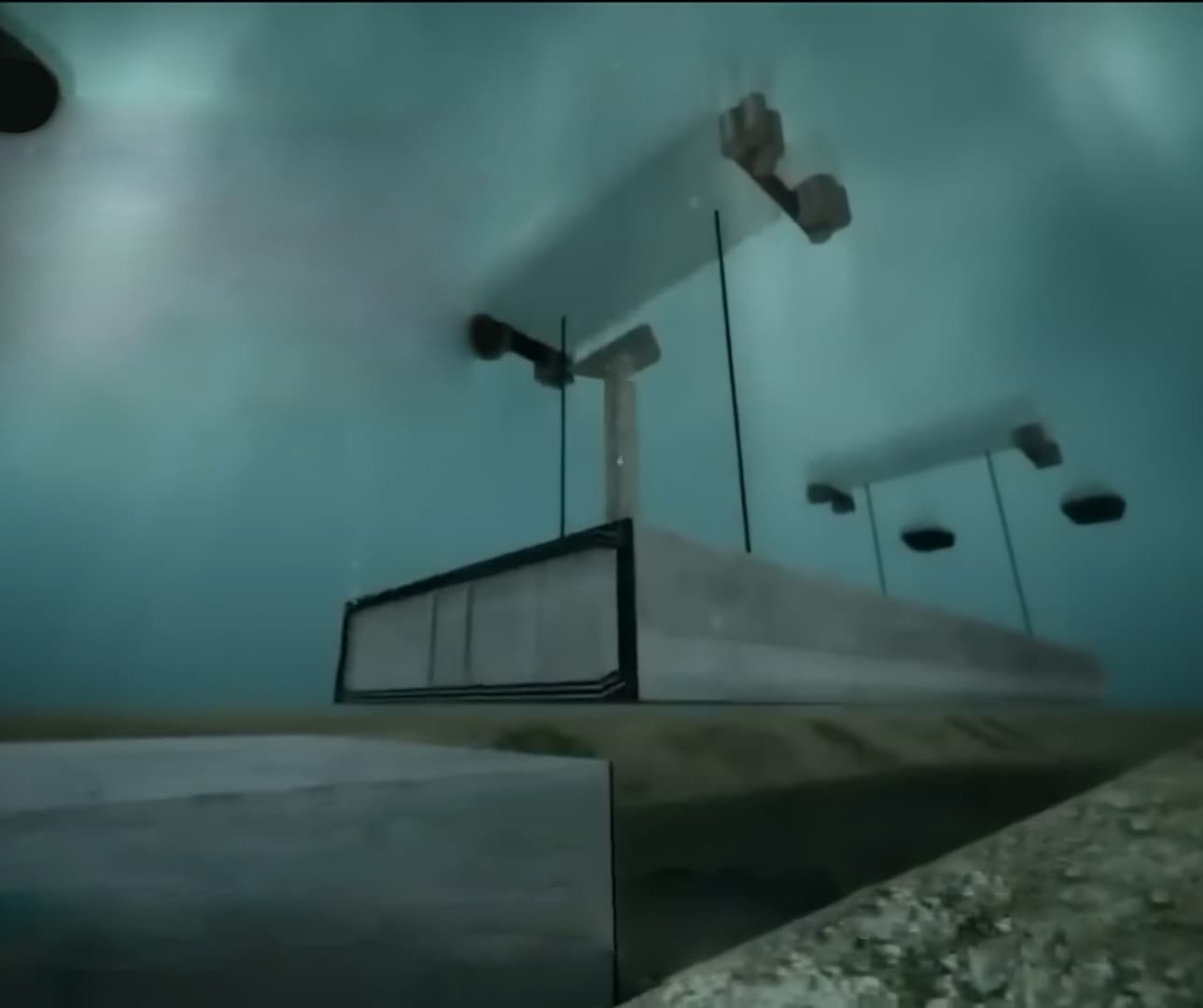
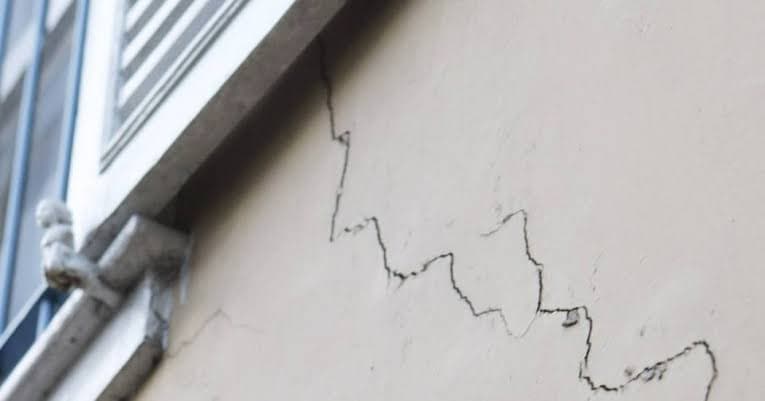
A note of caution on durability: recent studies indicate that the concrete used in road tunnels is showing signs of deterioration earlier than expected, especially in regions near the sea. The finding has concerned experts, who see risks both for safety and for the maintenance costs of these structures. Researchers at the Chalmers University of Technology, in Sweden, identified the phenomenon in the Oslofjord tunnel, in Norway, observing that seawater infiltration carries bacteria that attach to concrete surfaces and form biofilms.