83% of companies already use AI tools to boost efficiency in construction

The adoption of artificial intelligence in construction in Brazil is already widespread and expanding rapidly. The main applications focus on planning, safety, automation and cybersecurity.
A Minsait study released at the IT Forum reveals that 83% of companies in the construction sector already use artificial intelligence with the goal of improving their processes and boosting productivity.
Although it remains a segment with a lower level of digitalization compared to other areas of the economy, construction is accelerating its technological transformation, with special emphasis on solutions that enhance the end-customer experience.
AI across every front of construction
The Minsait study also offers a broader overview of AI use in the sector:
- 60% of companies already use AI to plan projects and manage worksites.
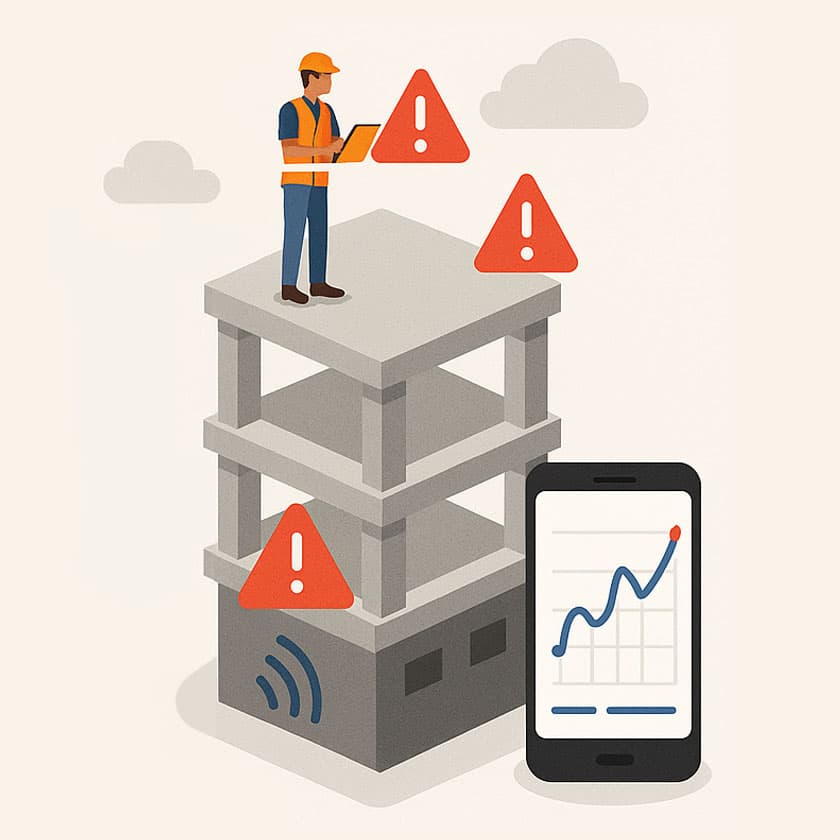
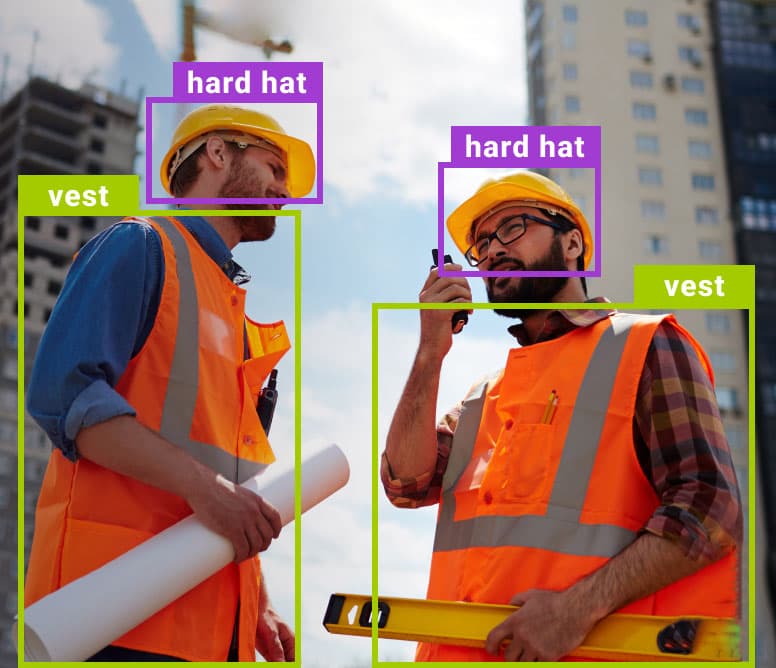
- 67% apply artificial intelligence to safety systems, such as recognition through sensors and cameras on construction sites.
- 60% use AI to strengthen cybersecurity.
- 40% also use it for analysis of existing data, strategic decision support and talent retention.
Sudoeste and the James assistant
Construtora Sudoeste, based in Minas Gerais and with more than 30 years of experience, is an example of integrating technology and comfort into real estate developments. In its Aldea line, which prioritizes full-service offerings, the company is launching James, a virtual assistant powered by artificial intelligence.
James operates by voice or text, making it easier to do everything from booking common areas to scheduling services, sending notifications and clarifying contract questions, all from a mobile phone or WhatsApp.
Currently in testing, the tool will be available in October with the launch of the Aldea Vale do Sereno development. The assistant will be backed by a support team that ensures human responses to more complex requests and provides continuous feedback to improve the system.
Challenges and future outlook
Despite the rapid adoption, the sector faces challenges, including a shortage of qualified AI professionals: 60% of companies cited this gap as an obstacle.
According to Eládio García, global director of Industry and Construction at Minsait, the companies that invest in this technology today will lead the sector tomorrow. He stresses that involvement from top management, well-defined strategic plans and a well-structured AI governance are essential to make the transformation sustainable.